
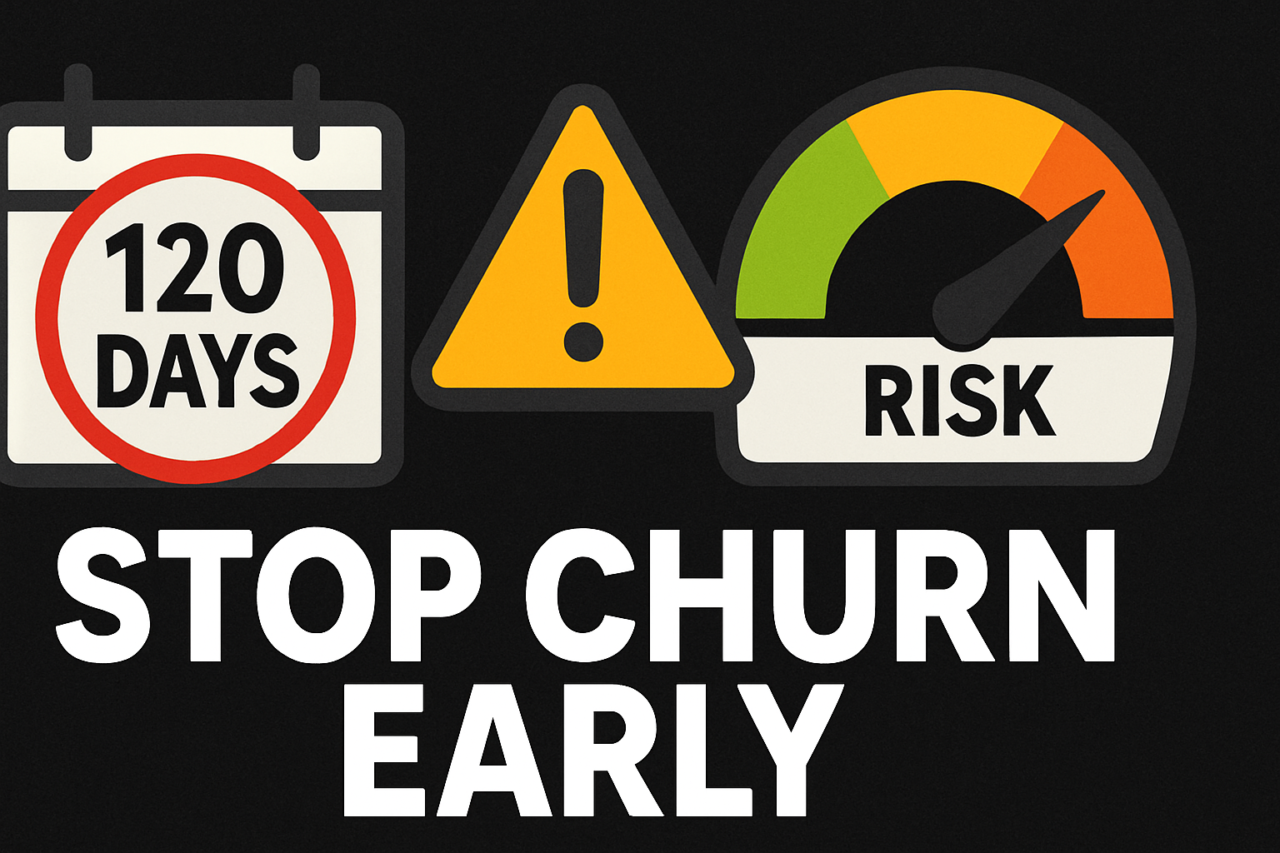
- Adopt a 120-day renewal window to spot risk early and prevent last-minute panic.
- Map stakeholders and define mutual action plans for each renewal scenario.
- Use an automated renewal dashboard that escalates risk as signals deteriorate.
- Base decisions on observable signals such as usage, value realization, and payment status.
The Renewal Risk Early Warning: The 120-Day Rule is a proactive approach to customer success. Instead of waiting for a renewal to loom at the end of a contract, teams review signals at a fixed 120-day window. This shift reduces panic and increases the odds of a smooth renewal. In practice, the rule asks teams to start conversations, align stakeholders, and surface risk early so they can take corrective action long before the renewal date.
Renewal Risk Early Warning: The 120-Day Rule in Practice
What is the core idea behind this rule? It is simple: act at 120 days before renewal. That period is long enough to gather insights, test corrective steps, and finalize a mutual agreement. It is short enough to keep risk transparent and addressable. By codifying a 120-day cadence, you create a predictable rhythm for health checks, value validation, and renewals.
To implement this approach, you need three pillars: a risk signal framework, a stakeholder map, and a mutual action plan template. Each pillar should be built with concrete data and clear ownership. This trio becomes your backbone for renewal-ready accounts rather than reactive, scarce-chance renewals.
How to implement a 120-day renewal process
Identify signals that indicate renewal risk
Start with a few objective indicators. Examples include usage decline, value realization gaps, increased support intensity, and payment or contract changes. Add qualitative signals from executive stakeholders. You can gather this data from your CRM, product analytics, and billing system. Regularly plot these signals on a renewal dashboard so that risk is visible at a glance.
Stakeholder mapping
Know who matters in renewal decisions. Typical roles include the CSM as account owner, a customer sponsor (economic buyer), and an influencer (often a line-of-business champion). Create a simple RACI (Responsible, Accountable, Consulted, Informed) for each key account. Document who leads the renewal, who signs, and who must be aligned on value milestones. Use this map to guide outreach and meeting agendas. Internal links: learn more about stakeholder mapping for renewals and the Renewal Playbook.
Mutual action plans
For each renewal, prepare a mutual action plan that aligns expectations and timelines. A plan should include: business outcomes, value evidence (usage and ROI data), quote and terms, and next milestones. Assign owners and dates for each milestone. Make the plan visible to all stakeholders through the renewal dashboard and shared documents. A well-structured plan reduces friction and creates accountability on both sides.
The renewal dashboard and automation
What a renewal dashboard should show
A practical renewal dashboard aggregates risk signals, renewal dates, and owner assignments. It can include: a risk score, days-to-renew, top risk indicators, and a list of pending actions. Include filters by product, customer tier, and renewal term. This centralized view enables proactive conversations and faster escalation when needed. Internal link: Renewal dashboard best practices.
Escalation workflow
Set up automated escalation rules when signals deteriorate. For example: if usage drops by more than 20% and support tickets rise for two consecutive weeks, escalate to the CSM lead and sales executive within 24 hours. Escalations should trigger an updated mutual action plan and a scheduled high-priority meeting. Use automation to alert teams via email or chat and to lock in renewal timelines when appropriate. See the automation for renewals article for guidance on building these workflows.
Practical example: a 120-day play in action
Consider a mid-market SaaS customer with a 12-month contract that ends in 120 days. Six weeks into the 120-day window, usage drops by 15%, and a key feature adoption KPI falls below target. The CSM flags this in the dashboard. Simultaneously, the executive sponsor raises a concern about ROI alignment. Within days, the mutual action plan is updated: the customer team receives a tailored training plan, usage milestones are redefined around two business outcomes, and a value-communication deck is prepared with ROI evidence.
Two weeks later, a renewal quote is revised to reflect expanded usage at a favorable rate for a longer term. The renewal is not only salvaged; it becomes a value-based renewal case. The key is the early lead time: the 120-day window gives both sides room to adjust, test, and commit. This is a practical demonstration of how renewal risk management at scale reduces churn risk and drives loyalty. For inspiration on building a wider program, check the Renewal Playbook.
7-step quick-start plan to set up the 120-day renewal rhythm
- Define a strict 120-day renewal cadence and publish the playbook for teams.
- Identify risk signals across usage, value, and payments, and map data sources.
- Build a stakeholder map and a simple RACI for each key account.
- Create a mutual action plan template with milestones and owners.
- Launch a renewal dashboard with risk scores and action items.
- Set up automated escalation rules and notification channels.
- Run monthly review meetings to tune the process and share learnings.
Visualization: a renewal risk dashboard you can implement
Think of a simple visual that combines risk signals with time to renewal. A renewal risk heatmap by customer segment and days-to-renew helps you spot patterns quickly. Alongside the heatmap, a timeline view shows milestone dates and completed actions. This visual supports quick decisions and clear communication with executives. Suggested visual: a diagram with a heatmap, timeline, and a list of next steps. Purpose: provide a single glance view of risk and required actions.

Conclusion: start now with the 120-Day Rule
Waiting for renewal to approach is a risk. The Renewal Risk Early Warning: The 120-Day Rule provides a clear, actionable framework to detect risk early, engage the right people, and co-create value for renewal. By combining signals, stakeholder alignment, and automated escalation, you turn renewal risk into a predictable, manageable process. Begin with a 120-day cadence, populate a simple dashboard, and iterate fast. Your customers will feel heard, and your renewal outcomes will improve.
Ready to start? Explore related resources like the Renewal Playbook and the stakeholder mapping guide to tailor the approach to your organization. If you want a quick blueprint, use this article as a template for your first 120-day renewal cycle and adapt it to your product and customer base.