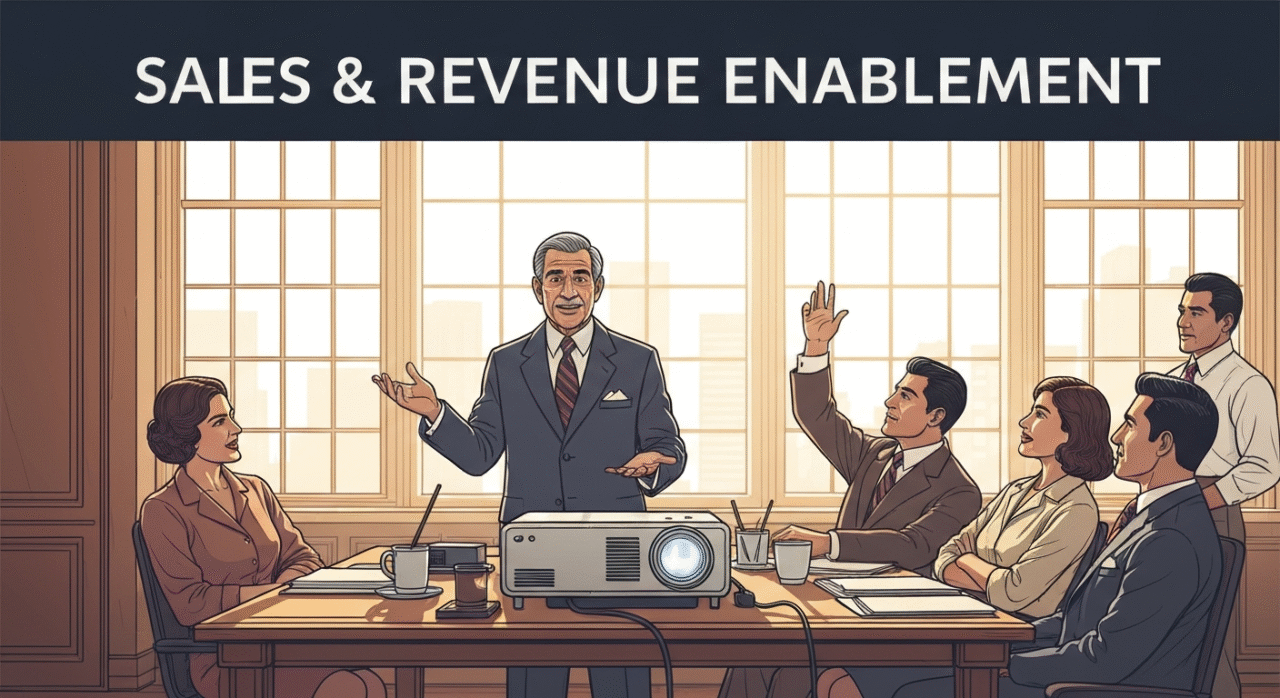
In sales and revenue enablement, a well-crafted follow-up can do more than close a deal. It builds trust, shortens buying cycles, and keeps your team in the conversation. The goal is an AI follow-up that feels human—automation that respects time, injects genuine context, and still reads like a thoughtful personal note. This approach blends AI-driven efficiency with personalized care, so outreach scales without losing the human touch.
TL;DR
- AI follow-up that feels human uses natural language and CRM data to personalize messages at scale.
- Design a cadence that mirrors human outreach while preserving efficiency.
- Keep tone transparent, offer value, and provide an easy opt-out to build trust.
- Measure results with clear metrics and adjust sequences accordingly.
- Involve a human-in-the-loop to preserve credibility and guide exceptions.
What is AI follow-up that feels human and why it matters
This approach uses AI to draft, schedule, and optimize outreach while embedding contextual signals from your CRM. It is not a generic blast. It is tailored to the recipient’s role, prior interactions, and current momentum in the buying journey. The result is higher relevance, faster responses, and more qualified conversations.
Key elements include personalization at scale, cadence optimization, and transparent tone. When these elements align, buyers feel seen rather than sold to—a critical distinction in today’s information-rich market. For teams, this translates into more conversations with intent, shorter sales cycles, and better win rates.
In practice, you’ll want to pair AI-assisted drafting with human oversight. Techniques such as AI-assisted drafting and CRM-integrated outreach help ensure messages reflect actual buyer context and company voice. This is a core pillar of revenue enablement, where technology serves people, not replacing them.
How to design human-like automation for follow-ups
Start with a clear design that separates what is automated from how it is delivered. The core is a library of message variants that can be customized with tokens drawn from your CRM. The AI then selects the best variant based on recipient data, recent activity, and engagement history.
Actionable steps:
- Define values and goals: clarity on what constitutes a successful follow-up (reply, content download, meeting scheduled).
- Build a message library: create 6–12 core variants for each stage (intro, follow-up, value add, final note).
- Incorporate data tokens: name, company, industry, recent activity, product usage, pain points.
- Apply tone guidelines: concise, respectful, actionable, confident—without pressure.
For example, a mid-market software buyer who recently attended a webinar could receive a sequence that references the session, links to a relevant case study, and proposes a short discovery call. The AI drafts the message, the rep reviews for nuance, and the system sends at the right cadence.
Cadence and timing: when to send messages
Cadence is a critical lever. The goal is to mirror natural human follow-up without becoming a bottleneck for the buyer. A practical rhythm might be an initial outreach within 24 hours of a trigger, a gentle nudge 2–3 days later, and a final note 7–10 days after that. The AI can adjust timing based on recipient time zone, past engagement, and industry norms.
Cadence fundamentals:
- Trigger-based starts: webinar sign-up, content download, or trial initiation.
- Early engagement check: 24 hours after initial contact, measure open and click activity.
- Value-forward second touch: share a relevant case study or a short demo clip.
- Final note with an opt-out: respect the recipient’s decision and offer an easy path out.
Use A/B testing to compare timings and copy variations. Track metrics like open rate, reply rate, and meeting booked rate to determine the most effective cadence. Integrate results with your CRM so reps can see where each prospect sits in the sequence and intervene when necessary.
Personalization at scale: tokens, data, and context
Personalization is more than inserting a name. It means aligning the message with the recipient’s role, company moment, and expressed priorities. Use data tokens such as company name, industry, job function, recent news, and product usage to tailor the value proposition.
To keep it human, avoid stuffing the copy with irrelevant data. Use a few well-chosen details and a clear call to action. The AI should generate variants that you can human-check for tone and accuracy. This ensures the outreach remains credible and actionable, not chaotic or overbearing.
Consider semantic personalization: references to recent funding rounds, a recent product release, or industry challenges. Use language that resonates with the buyer’s day-to-day realities, not generic marketing speak. For teams that rely on content-centered outreach, link to a relevant resource such as a whitepaper or a product demo that aligns with the recipient’s current needs.
Internal data sources matter. Pull context from your CRM, marketing automation, and account-based signals to enrich the AI’s drafts. If a recipient has engaged with a specific product feature, the follow-up can mention that feature and offer a targeted use case. A personalization strategy page can guide the team in keeping these references accurate and effective.
Quality controls: tone, transparency, and compliance
Human-like automation must be transparent and respectful. Signal when content is AI-assisted, offer an opt-out, and avoid manipulative language. Clear attribution helps maintain trust, especially in regulated sectors where consent and data usage matter.
Quality checks are essential. Build a review step where a human validates high-risk messages—like offers, pricing, or legal terms—before sending. Establish tone guidelines that emphasize helpfulness, clarity, and a concrete next step. Regular audits help catch drift in voice or misalignment with brand standards.
Compliance considerations include data privacy, opt-in status, and frequency caps. A responsible approach uses consent-aware automation and ensures that recipients can easily unsubscribe or adjust communications. The goal is sustainable engagement, not short-term buzz.
Practical example: a day in a human-like follow-up sequence
Imagine a prospect who downloaded a product guide two weeks ago. The AI drafts a note referencing the guide, then sends a follow-up with a short video, a relevant case study, and a proposed time for a 15-minute call. If there’s no reply after the final note, the sequence ends with an option to continue the dialogue via a support article or a community forum.
The sequence might look like this:
- Day 0: Initial outreach referencing the guide and a single, high-value CTA.
- Day 2: Second message with a practical use case and a link to a short demo video.
- Day 5: Third touch offering a tailored discovery call, with a few time options.
- Day 10: Final note acknowledging no response and sharing a resource hub with self-serve options.
In this example, the AI handles drafting, scheduling, and personalization, while the sales rep validates context and steps in to handle exceptions or complex negotiations. The result is a smoother buyer experience and a more consistent pipeline rhythm for the team.
Measuring success: what to track
Quantitative metrics drive improvement. Track:
- Open rate and click-through rate to gauge subject lines and content relevance.
- Reply rate and time-to-reply for engagement quality.
- Meeting booked rate and conversion rate from touch to opportunity.
- Opt-out rate to monitor perceived intrusiveness.
- Average deal size and sales cycle length to measure impact on revenue enablement.
Qualitative feedback from buyers and reps matters too. Periodic reviews help refine tone and value propositions. Use internal dashboards to compare performance across segments, industries, and persona types. Link to related knowledge bases, such as sales enablement toolkits and AI in sales tips for a holistic view.
Common pitfalls and how to avoid them
Even well-designed automation can backfire if not managed carefully. Common pitfalls include overly generic messages, misaligned timing, and failing to handle objections with genuine empathy. To avoid these, keep iterations short, involve a human reviewer for sensitive topics, and continuously test for clarity and usefulness.
Another pitfall is assuming AI will replace relationship-building. Instead, view AI as a helper that frees reps to focus on high-value conversations. Use the human-in-the-loop model for edge cases and escalations, which preserves trust and credibility.
Visuals that clarify the approach
Suggested visual: a simple flowchart titled “Follow-Up Cadence with Personalization.” It would map triggers, times, personalization tokens, and human review gates. Purpose: give stakeholders a quick, shareable view of how the sequence operates and where reps intervene.
You can also include a screenshot or mock-up of a sample email with personalization tokens and a clearly stated next step. This helps teams align on tone and structure before production.
Putting it into practice: next steps
Ready to start? Align on a pilot scope with a small segment, define success criteria, and set guardrails for opt-out and data privacy. Use iterative sprints to refine copy, cadence, and automation rules. Schedule a weekly review to learn from each batch and scale what works best.
For ongoing learning, explore related resources such as AI in sales and personalization in sales. These guides can help you optimize the intersection of technology and human-centric outreach.
Conclusion: empower teams with human-centered automation
AI-powered follow-up can unlock more meaningful conversations when it respects buyer time and reflects real context. By combining personalization at scale, timely cadence, and transparent tone, revenue teams can accelerate engagement while preserving trust. The aim is not to replace human touch but to amplify it—giving reps more time to listen, tailor, and close with confidence.
Adopt a human-in-the-loop approach, measure what matters, and keep asking: are we helping the buyer move forward with clarity? If the answer is yes, you’ve built a practical, scalable path to stronger revenue outcomes.
Internal note: consider linking to a detailed CRM integration guide and a case study library to illustrate results and best practices.