
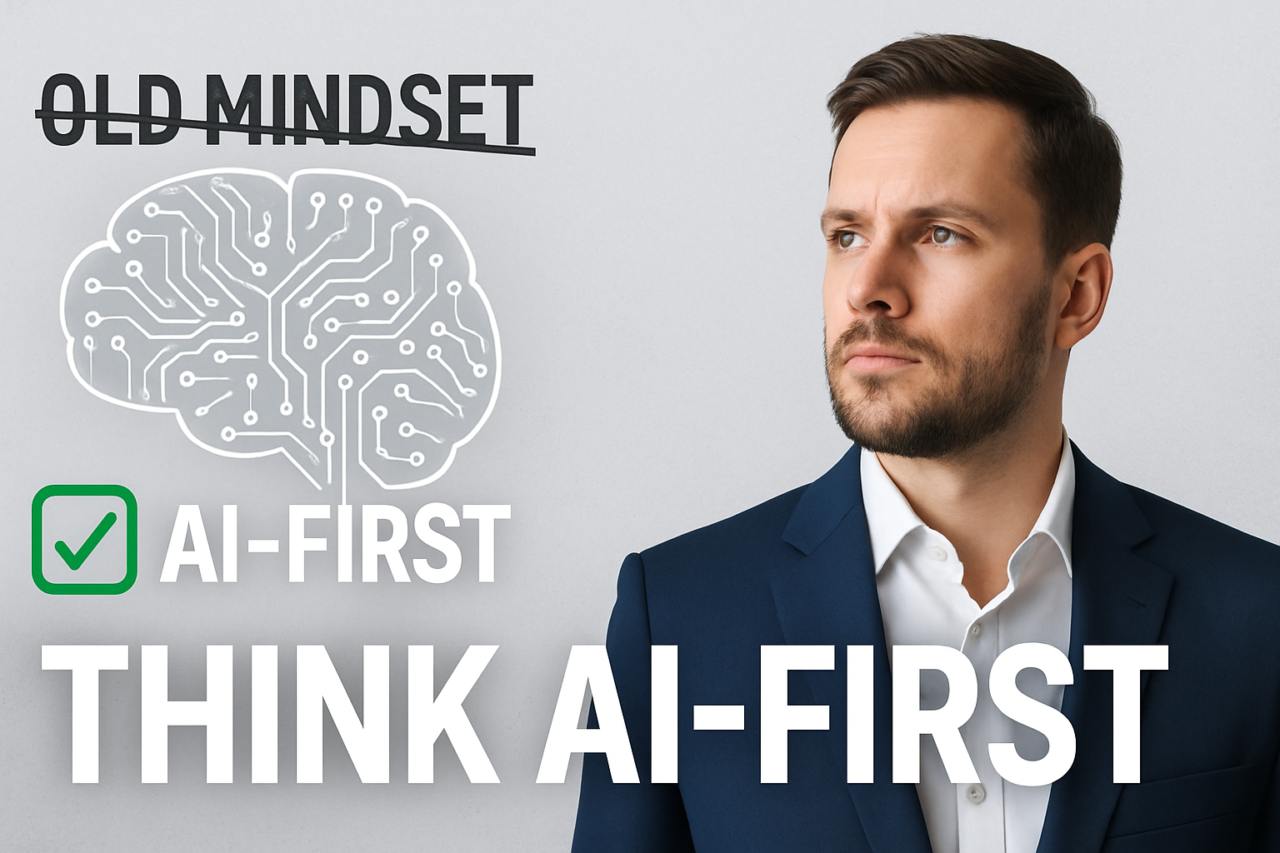
- Developing an AI-First Mindset defines leadership and outcomes for the modern organization.
- Adopt AI as a strategic capability, not a one-off project.
- Foster an automation culture that blends human work with AI-powered processes.
- Start with small pilots, define clear metrics, and scale based on results.
In today’s digital world, teams compete on how well they leverage AI and data. A true AI-first mindset starts at leadership and spreads through strategy, culture, and operations. By focusing on the mindset that views AI as a collaborator, organizations can move from sporadic experiments to systematic AI adoption. This article outlines Developing an AI-First Mindset with a practical framework you can apply in real teams.
Developing an AI-First Mindset: What It Means
The phrase refers to an organization that designs work around AI capabilities rather than forcing AI into existing processes. It means leaders clarify goals for AI, teams learn to read data, and decisions rely on evidence rather than gut feel. Key elements include governance, ethics, and a bias toward experimentation.
In practice, this mindset changes daily habits: product managers chart AI-enabled features; ops teams monitor automated flows; and marketing teams test AI-assisted segmentation. It is not just technology; it is a working model for leadership and teams to collaborate around intelligent tools.
Why It Matters: AI Leadership, Innovation Strategy, and Automation Culture
AI leadership is about steering with data and AI literacy. It requires a vision for how AI will create value, not just cut costs. Leaders set the tone for experimentation, risk tolerance, and rapid learning cycles. An AI leadership mindset aligns product, engineering, and operations toward shared outcomes.
Innovation strategy under an AI-first frame prioritizes problems AI can solve, not just tasks to automate. The goal is to reduce time-to-insight and to unlock new capabilities. When leaders connect AI investments to strategic priorities, the organization can turn insights from data into competitive advantage.
Automation culture is the habit of designing, testing, and refining AI-powered processes. It requires clear decision rights, lightweight governance, and fast feedback. A culture of automation also means people trust AI output and feel empowered to question it when needed.
A Practical 6-Step Framework to Build the Mindset
- Clarify AI goals: Define the problem you want AI to solve. Identify measurable outcomes such as time saved or revenue impact. Link each goal to a business metric.
- Map workflows: Review current processes to find AI augmentation points. Focus on repetitive, high-volume tasks first. This makes pilots manageable and measurable.
- Invest in AI literacy: Offer short courses and hands-on practice. Encourage cross-functional learning and knowledge sharing. Build a common language for data and models.
- Run small pilots: Start with pilots that have clear success criteria. Use pilots to test data quality, model behavior, and integration needs. Keep scope tight to reduce risk.
- Establish governance: Create standards for data privacy, model governance, and risk controls. Define ownership and decision rights. Align on ethics and compliance.
- Scale responsibly: Expand successful pilots to broader groups. Automate feedback loops and monitor outcomes continuously. Maintain a culture of learning and iteration.
Real-world example
Example: A mid-sized retailer piloted AI-assisted email subject lines and product recommendations. The two-week run used a controlled audience and clear targets for open rates and click-through rate (CTR). The pilot achieved a measurable uplift and informed a broader rollout, illustrating how a small AI experiment can scale into a company-wide capability.
Leadership Actions to Start Today
Leaders can spark momentum by taking concrete steps that reinforce the AI-first mindset. These actions help embed AI adoption into daily work and accelerate growth.
- Lead by example: show how you use AI in decision making and planning.
- Sponsor cross-functional AI experiments across teams to break silos.
- Create a lightweight AI council with clear roles for data, engineering, and privacy.
- Provide AI literacy and hands-on practice for all staff.
- Measure impact with simple, trackable metrics and share results openly.
Common Pitfalls and How to Avoid Them
Organizations often stumble when they chase every shiny tool or overlook data readiness. Common missteps include weak data quality, unclear ownership, and a lack of governance. By setting guardrails early and prioritizing value, teams can stay focused on meaningful AI adoption and maintain trust across the business.
- Overreliance on a single tool: diversify and validate with human oversight.
- Underestimating data needs: build data pipelines early and invest in data governance.
- Poor change management: include stakeholders and communicate early and often.
Visualizing the Journey: A Practical Roadmap
Suggested Visual: AI Adoption Roadmap
The visual maps four stages of maturity: Awareness, Analysis, Adoption, and Acceleration. It shows key metrics, owners, and timing to guide governance and budgeting.

Purpose: Align teams on the path from curiosity to enterprise-scale AI using concrete milestones.
Conclusion: The Next Step
Developing an AI-First Mindset is a leadership and culture choice as much as a technical one. Start with a small, visible project, align goals, and invite cross-team input. The journey is continuous improvement, not a single launch.
Take action now: review your current workflows for AI opportunities, discuss with peers, and begin a two-week pilot. For more on practical playbooks, explore our related resources on automation culture and data-driven decisions.