TL;DR
- Human-in-the-Loop Advantage combines AI speed with human judgment for safer, more reliable automation.
- Hybrid AI relies on oversight systems to maintain ethics, accuracy, and accountability.
- Adopt a collaboration mindset: define guardrails, roles, and escalation paths for edge cases.
- Follow a practical implementation plan with clear metrics to prove value and guide improvement.
What is the Human-in-the-Loop Advantage?
The Human-in-the-Loop Advantage describes a deliberate blend of machine intelligence and human review. In this model, AI proposes decisions or actions and a human reviewer confirms, corrects, or overrides when necessary. This approach reduces errors, controls bias, and keeps automation aligned with organizational norms. It is a core aspect of hybrid AI and is supported by robust oversight systems that enforce governance and accountability.
In practice, you will find hybrid AI workflows across departments such as customer support, risk management, and content moderation. You may also see references to AI governance frameworks that codify how decisions are reviewed and documented. The goal is not to replace humans but to empower them with timely, high-quality signals while preserving control over outcomes.
Why adopt a hybrid mindset?
Automation brings speed and consistency, but it can introduce risk if decisions are made without human oversight. A hybrid mindset acknowledges that data quality, context, and ethics matter as much as technical capability. Humans catch bias, misinterpretations, and edge cases that a purely automated system can miss. By design, oversight reduces risk, builds trust, and accelerates adoption across teams.
This mindset supports ethical automation, where transparency, accountability, and fairness guide every automated action. It also aligns with broader goals of AI governance, ensuring that automation is auditable, explainable, and compliant with regulations.
Key components
Oversight systems
Oversight systems are the heart of the Human-in-the-Loop setup. They define when a human should review a decision, how escalation works, and what constitutes a safe threshold for automation. Practical features include escalation queues, review SLAs, and a clear veto mechanism. These systems ensure that automated outputs do not proceed unchecked when confidence is low or when the impact is high.
Incorporate explicit decision points, such as a confidence score or risk rating, that trigger human review. Document the actions taken after review to create an auditable trail. This creates AI governance artifacts that your organization can rely on during audits or inquiries.
Ethical automation
Ethical automation rests on four pillars: transparency, fairness, accountability, and safety. Build guardrails that reveal how data was used, why a decision was made, and who approved it. Implement fairness checks to surface and address bias in training data and in model outputs. Maintain safety protocols to prevent harmful or unintended actions by automated systems.
Embed these principles into design reviews, not just after deployment. Use explainable AI components where possible, and provide concise summaries of decisions for end users and stakeholders. A strong ethical automation stance improves trust and reduces the chance of ad hoc fixes that create more risk later.
How to implement
Start with a practical, phased plan. Map workflows that involve automated decision making and identify which steps require human input. Set clear thresholds for when automation can proceed and when it must pause for review. Establish a feedback loop where human corrections flow back into the model to improve future performance.
Here is a concrete, repeatable approach you can use today:
- Define decision types: classify actions as automated, human-in-the-loop, or human-only.
- Set confidence thresholds: determine the minimum confidence level for automatic approval; escalate below that level.
- Create a review queue: route high-stakes or low-confidence cases to trained reviewers with defined SLAs.
- Document guardrails: specify what is allowed, what is disallowed, and why a review is triggered.
- Establish feedback loops: capture reviewer decisions to retrain models and refine thresholds over time.
In a real-world scenario, imagine a bank’s loan underwriting system. The AI evaluates applicant data and proposes a risk score. If confidence is high, the loan is approved or flagged for automatic denial. For edge cases or high-value loans, a human underwriter reviews the AI recommendation, adds context, and either confirms or overturns the decision. This keeps speed while preserving sound risk control.
For a practical start, implement a one-page policy that defines escalation paths and a quarterly review to adjust thresholds based on observed outcomes. This simple governance artifact keeps teams aligned and ready for scale.
Measuring success
Use concrete metrics that reflect both speed and reliability. Key indicators include approval rate of automated decisions, average time to decision, and the volume of cases routed to human review. Track the accuracy of automated outputs after reviewer input to quantify learning. Monitor the workload on human reviewers to avoid overload and ensure sustainable operation.
Construct a dashboard that combines data from both AI systems and human reviews. Include metrics for ethical performance, such as bias detection incidents and explainability coverage. Tie each metric to a business outcome, like customer satisfaction, loss reduction, or throughput improvement.
Internal links to related content can help readers explore deeper topics. For example, see how AI governance informs policy creation, or how ethical automation guides guardrails across teams.
Common pitfalls and how to avoid them
- Overreliance on automation: keep humans in the loop for high-stakes decisions; avoid de-skilling the workforce.
- Unclear thresholds: define decision boundaries with measurable criteria; review them regularly.
- Inadequate data quality: ensure data provenance and cleanup as a prerequisite for reliable AI outputs.
- Poor feedback integration: create a structured process to feed human corrections back into model updates.
Future-proofing your team
Over time, the Human-in-the-Loop Advantage evolves into a mature operating model. Invest in training that builds both technical fluency and governance literacy. Emphasize cross-functional collaboration so teams understand how to design, monitor, and adjust hybrid AI systems. Maintain a culture that values transparency, accountability, and continuous learning. The result is an adaptable organization ready for ongoing AI adoption that respects human judgment.
Visual idea for guidance
Recommended visual
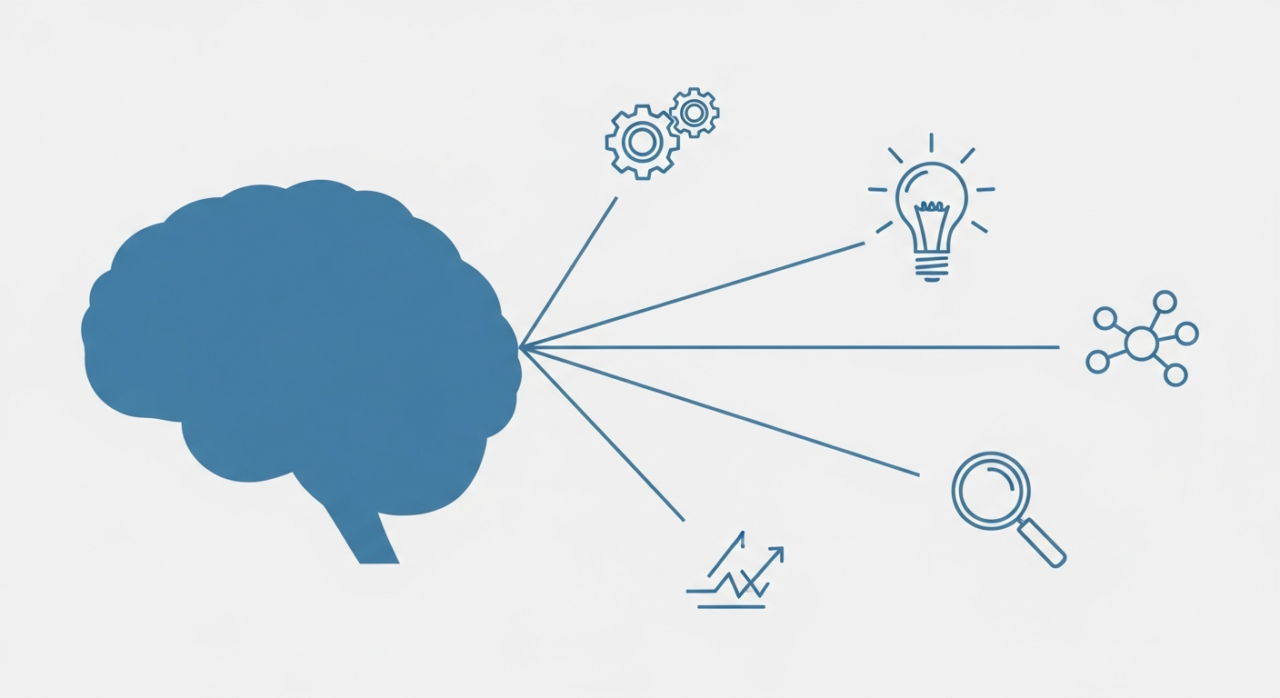
Use a simple data flow diagram showing an AI module feeding a human-in-the-loop review, with arrows for feedback loops and escalation paths. The diagram should highlight the decision points, confidence thresholds, and the path from data input to final outcome. Purpose: a quick reference for teams to align on who reviews what, when escalation happens, and how corrections improve the system over time.
Conclusion
The Human-in-the-Loop Advantage is not a stopgap; it is a practical framework for responsible automation. By combining the speed and scale of hybrid AI with deliberate human oversight, your organization can achieve higher accuracy, stronger ethics, and clearer accountability. Start small with a well-scoped pilot, define guardrails, and measure impact. With a solid plan, a culture of collaboration, and continuous learning, you will unlock durable value from automation while keeping humans central to critical decisions.
Call to action
If you are ready to advance with a humane and effective automation strategy, begin with a lightweight pilot in a low-risk process. Map decisions, set thresholds, and establish a review cadence. For guidance or a tailored plan, reach out to our team to explore practical next steps and insights on building a robust hybrid AI program that embraces the Human-in-the-Loop Advantage.