TL;DR
- Automation-first mindset: Treat SOPs as automatable workflows that can be captured, tested, and improved with AI.
- Modular design: Break SOPs into reusable steps with clear owners and decision points.
- Tools and governance: Pair documentation tools with AI workflows to maintain accuracy and auditability.
- Start small: Pilot one process, measure impact, and scale responsibly.
- Think end-to-end: Align SOPs with data, security, and change management for durable results.
Standard operating procedures (SOPs) are the backbone of consistent outcomes across teams. In the AI age, those SOPs can become living, automated workflows rather than static documents. This shift changes how we design, document, and govern work, with lasting impact on speed, quality, and compliance.
Automation tools now let knowledge stay current as processes change. AI-enabled capabilities help capture tacit knowledge, generate steps, and monitor deviations in real time. The result is SOPs that not only describe how work should happen, but actively guide and accelerate how work gets done.
Why SOP automation matters today
Organizations operate in environments that move quickly and demand consistent results. Traditional SOPs often lag behind actual practice, creating gaps between documented procedures and how work unfolds. Automating SOPs closes that gap by turning static instructions into dynamic, trackable workflows.
Automation improves reliability and reduces rework. When AI-driven tools standardize data inputs, route tasks to the right owners, and trigger checks at the right moments, teams waste less time chasing approvals or correcting errors. This shift frees people to focus on value-added work, while maintaining strong governance and audit trails.
Approaches to modern SOP design
Modern SOP design begins with clarity and ends with continuous improvement. The goal is to create procedures that are easy to follow, easy to change, and easy to automate where possible. Below are essential design principles.
Modularity and ownership
Break complex procedures into modular steps. Each module has a clear owner, a defined input, a defined output, and a decision point. Modularity makes it easier to replace or improve one piece without overhauling the entire SOP.
Documentation fidelity and accessibility
Documentation should be accurate, searchable, and linked to the actual tasks people perform. Use a consistent format, and store SOPs where teams already collaborate, such as documentation platforms or knowledge bases. For faster adoption, embed checklists, templates, and guidance within the same workspace used for daily work.
See our guide on SOP automation for practical templates and best practices.
Auditability and governance
Every change to an SOP should leave a trace. Version control, change approvals, and automated testing of steps ensure compliance and reduce risk. AI can assist by comparing current practice with documented steps and highlighting variances worth investigating.
Key tools: documentation and AI workflows
Two categories shape the modern SOP toolkit: documentation tools and AI-enabled workflow platforms. Documentation tools help capture, organize, and disseminate procedures. AI workflows orchestrate tasks, decision points, and data flows so that procedures become executable paths rather than mere pages.
Documentation tools such as knowledge bases, wikis, and collaborative suites provide living SOPs. They enable real-time edits, linked references, and in-context guidance. AI workflows tie the documented steps to automated actions: data extraction, task routing, approvals, and alerts. This pairing creates an end-to-end fabric that sustains accuracy as practices evolve.
Internal links for further reading: AI-driven workflow design and Documentation tools comparison.
A practical example: onboarding a new supplier with AI-assisted SOPs
Consider a procurement team onboarding new suppliers. The old SOP was a 12-step document stored in a shared drive. It required manual updates every quarter and still led to late supplier set-ups due to missing information. With an AI-assisted SOP design, the process becomes a managed workflow with automated checks and tasks.
- Step 1: Intake form captures supplier details and required certificates. AI validations flag missing data and trigger requests to the submitter.
- Step 2: Auto-fill standard documents from templates. The system ensures consistency across supplier profiles.
- Step 3: Route approvals to the correct stakeholders based on risk and category. Automated reminders reduce bottlenecks.
- Step 4: Continuous monitoring. If a document expires or a credential lapses, alerts trigger renewal tasks before the supplier engages with procurement.
Result: faster onboarding, fewer errors, and a clear audit trail. Operations teams can measure cycle time, acceptance rate, and compliance with a single dashboard. This approach also scales to other domains, from vendor management to service delivery.
Practical tip: start with a single high-impact process and document the current state. Then map the steps to a modular, AI-enabled workflow. Use this as a prototype to demonstrate value before expanding to other SOPs.
Getting started: a practical 6-week plan
- Week 1 — Define scope: Pick one process with frequent handoffs and clear owners.
- Week 2 — Gather data: collect current SOPs, checklists, and performance metrics. Identify gaps and pain points.
- Week 3 — Design modules: break the process into reusable steps, with owners and inputs/outputs defined.
- Week 4 — Choose tools: select documentation tools and AI workflow platforms that integrate with existing systems.
- Week 5 — Build a minimal viable automation: implement core steps, routing, and checks. Validate with a pilot team.
- Week 6 — Measure and adjust: collect feedback, track cycle time, defect rate, and user satisfaction. Prepare a rollout plan.
Along the way, document decisions in your knowledge base and keep a changelog. This transparency helps maintain trust and accelerates adoption across teams. For a deeper dive into architecture choices, see our comparison of AI-driven workflow design.
Governance, risk, and continuous improvement
Automation and AI bring speed, but they also demand discipline. Establish a governance model that defines who can modify SOPs, how changes are tested, and how updates are deployed. Regular audits and dashboards help leaders monitor compliance, quality, and risk indicators.
Key metrics to track include cycle time, first-pass completion rate, and deviation rate. Use these metrics to guide adjustments and demonstrate ROI to stakeholders. Remember that SOPs should evolve with processes, data, and regulatory requirements—not drift behind them.
Visual aid: what to look for in a workflow diagram
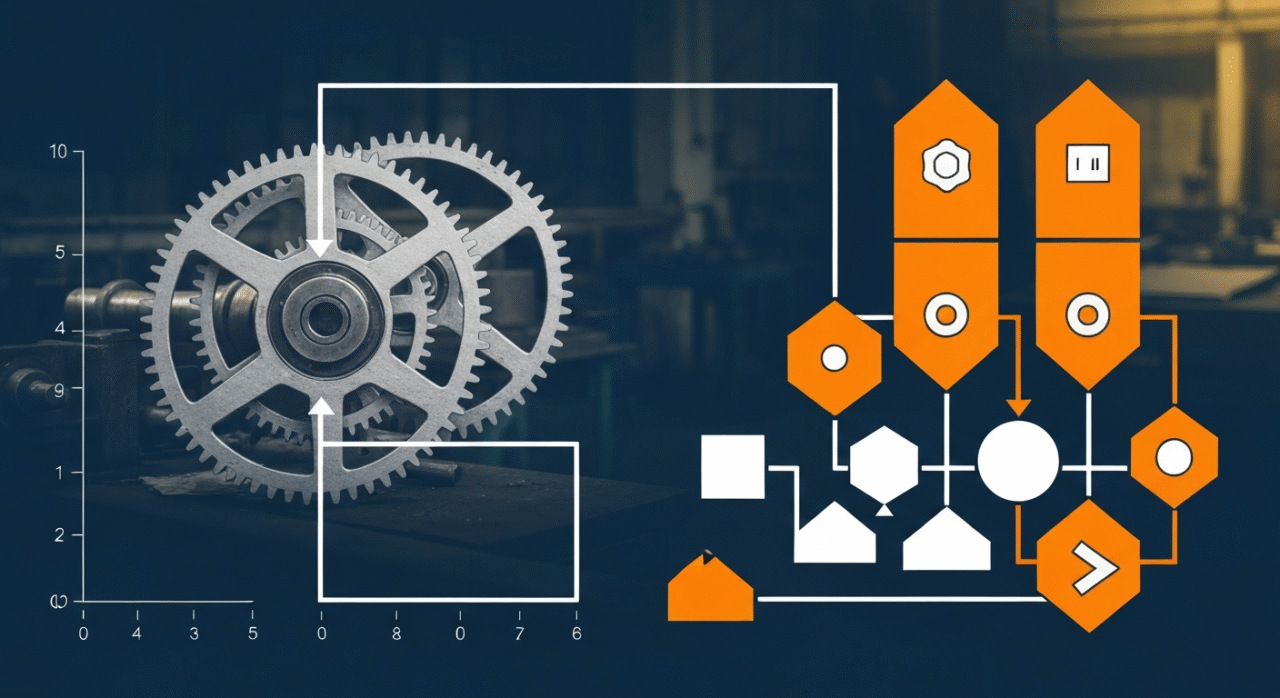
We recommend a simple, three-panel visual to communicate the value of AI-assisted SOPs:
- Before: a linear, document-centric flow with manual handoffs and sporadic updates.
- After: a modular, data-driven workflow where AI handles data capture, routing, and checks.
- Outcome: KPIs at a glance—cycle time, defect rate, and compliance score.
Such a diagram helps stakeholders see the value quickly and anchors conversations about scope and ownership. It also serves as a living reference as you scale automation across functions.
Conclusion and call to action
The move toward SOP automation and AI-enabled workflows is not a single project but a capability shift. By embracing modular design, reliable documentation, and governance, teams can keep procedures accurate, auditable, and practical in a fast-changing environment. The result is faster onboarding, fewer errors, and clearer accountability across the organization.
If you’re ready to start, pick one process, map it into a modular workflow, and pilot a small automation. Measure impact, share learnings, and expand intentionally. Need a quick reference? Explore practical templates and tool comparisons in our related resources and start building a modern SOP program today.
Visual reminder: a before/after diagram can crystallize the shift from static documents to executable AI-enabled SOPs. It will be a powerful support in stakeholder discussions and executive briefings.