TL;DR
- Leverage AI to surface next-best actions and automate repetitive tasks.
- Use predictive lead scoring and intent data to prioritize opportunities and reduce cycle time.
- Align marketing and sales data to speed approvals and minimize handoffs.
- Track deal velocity with clear metrics to optimize strategy over time.
In B2B buying, decisions stall at handoffs and repetitive outreach. Shortening the B2B Sales Cycle With AI means deploying tools and workflows that guide reps, not just inform them. With solid data and governance, AI helps teams move faster without sacrificing quality.
What is Shortening the B2B Sales Cycle With AI?
The approach uses AI to improve speed and quality of every sales touchpoint. AI analyzes history from your CRM, marketing automation, and service data to identify actions most likely to advance a deal. It then either automates or guides those actions in real time. The goal is to compress time from first contact to contract while maintaining win rates. This requires strong data, clear ownership, and practical playbooks.
Key benefits include higher deal velocity, reduced manual work, and a more predictable revenue stream. You should pair AI with human judgment to manage edge cases and maintain buyer trust. For this reason, governance and transparent AI prompts matter as much as models.
Why Shortening the B2B Sales Cycle With AI Matters
When AI is applied correctly, it aligns actions across teams and reduces the friction buyers experience. Reps gain more time for high-value conversations, while managers get clearer signals about where to intervene. The outcome is faster approvals, quicker demonstrations of value, and a shorter path to close.
How AI accelerates deal velocity
Predictive lead scoring and intent data
AI models assign scores to leads using engagement history, firmographics, and past close data. The goal is to prioritize the best opportunities for outreach. This reduces wasted effort and speeds the early stages of the cycle. Combine predictive lead scoring with intent data to catch buying signals as they emerge.
Automated outreach and meeting planning
AI suggests the best messages and optimal contact times. Automation handles reminders and follow-ups, freeing reps to focus on strategy. When scheduling tools connect with the CRM, reps gain more predictability in their calendars and buyers experience fewer delays.
Content recommendations and deal context
AI surfaces the most persuasive assets at the right moment. Reps deliver ROI analyses, case studies, and tailored demos more consistently. Use content recommendations to shorten cycles and improve buyer understanding.
Real-time coaching and risk flags
AI can flag stalled deals or risky stage transitions. It can offer coaching prompts or alert managers before a deal slips. This supports timely interventions and keeps the momentum going without micromanaging the buyer.
Forecasting and workflow governance
AI improves forecasting by flagging variance between pipeline and plan. It also enforces guardrails so teams follow compliant playbooks. Clear ownership and auditable prompts help maintain trust with buyers.
Practical playbook for adoption
1) Align data foundations
Consolidate data from CRM, marketing automation, customer success, and billing. Create a single source of truth for accounts and opportunities. Clean data reduces errors that could misdirect AI actions. Establish data governance with clear owners and SLAs.
2) Choose high-impact AI use cases
Begin with lead scoring, meeting automation, and content recommendations. These areas directly affect cycle time. Limit the initial scope to a few measurable outcomes and expand later based on results.
3) Design automated playbooks
Map AI actions to human activities. Examples include triggering a follow-up call or sending a tailored ROI one-pager after a demo. Build guardrails so managers can review AI suggestions and override when needed. Document decision criteria for transparency.
4) Implement measurement and feedback loops
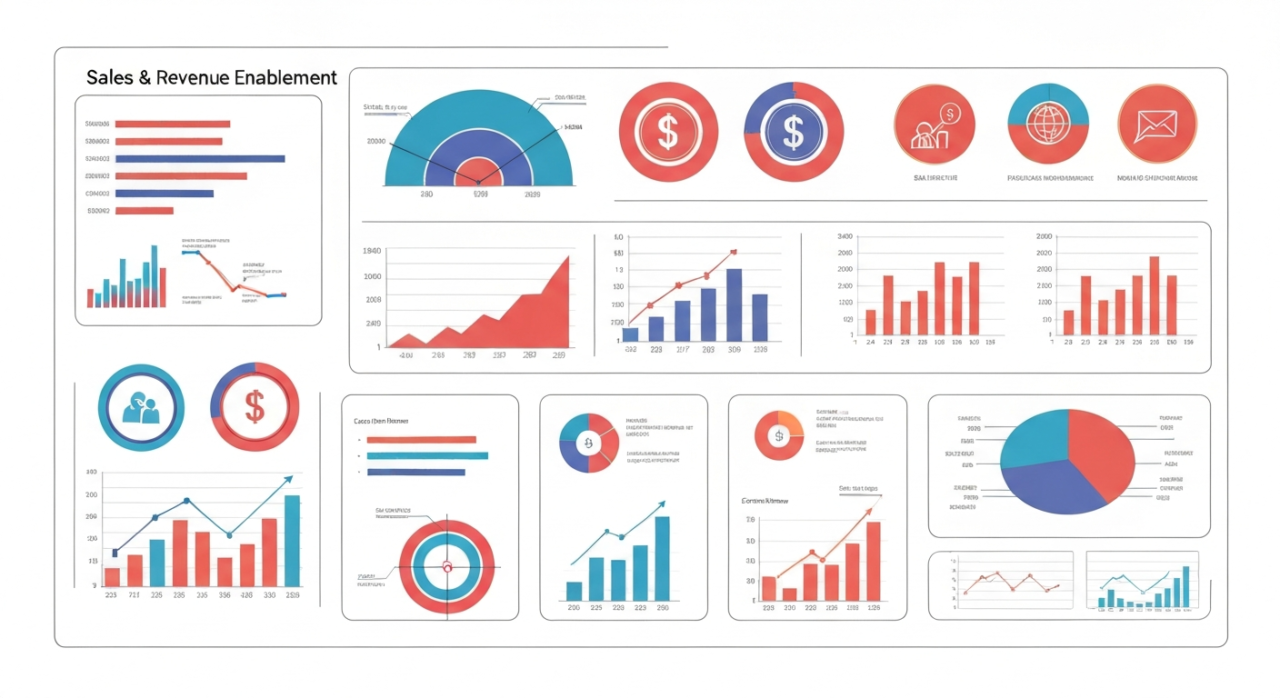
Track time-to-first-response, time-to-close, and average deal velocity by phase. Use dashboards that surface bottlenecks quickly. Gather rep feedback to refine prompts and routing.
5) Train your teams
Provide practical training on how AI recommendations should be used. Emphasize when to trust the AI and when to apply human judgment. Regular refreshers keep the team aligned with evolving models.
6) Security, privacy, and governance
Implement role-based access and data minimization. Ensure policies comply with regulations and buyer expectations. Periodically review AI outputs for bias and bias mitigation measures.
A practical example
A mid-market SaaS vendor deployed AI-assisted routing and predictive scoring across its 350 reps. Time-to-close dropped from 72 days to 52 days over nine months. The win rate held steady, while reps engaged qualified buyers earlier in the cycle. The result was a 28% uplift in deal velocity and a more predictable quarterly revenue trajectory.
What to measure
Track indicators that reveal impact. Focus on:
- Time-to-value from first contact to contract sign.
- Average cycle length by segment and product line.
- Lead-to-opportunity conversion rate and velocity by stage.
- Rep time reclaimed from repetitive tasks and automation adoption rates.
Visual guidance
Suggested visual: a two-panel infographic showing (left) the traditional cycle with longer time-to-close, and (right) the AI-augmented cycle with faster progress through stages. Label stages such as lead, opportunity, and close, with velocity arrows to illustrate speed gains. The graphic helps stakeholders quantify impact at a glance.
Conclusion and next steps
Shortening the B2B Sales Cycle With AI requires disciplined execution. Start with data hygiene, pick a few high-impact use cases, and design repeatable playbooks. Over time, AI scales and your team gains speed without losing accuracy. Begin with a pilot that ties AI actions to revenue metrics and expand as you learn.
For additional resources, explore our guides on deal velocity metrics and lead scoring.